
Flatlock vs Overlock vs Coverstitch: Activewear Seams Explained
Activewear stretches, moves and rubs against the skin for hours, so seams matter more than they do on everyday clothing. This guide explains the main seam types, where each one belongs on a garment and how to check seams on your sample, from the factory side.
- Flatlock: flat and smooth; the usual choice for main seams on leggings, bras and fitted tops.
- Coverstitch: stretchy and neat; used for hems, edges and bindings.
- Overlock: simple and strong; used where a small inside ridge is acceptable.
- Lockstitch: little stretch; for areas that should not stretch, such as zips and some pockets.
- Test seams on the sample by stretching, wearing and washing it.
Why seams matter in activewear
A seam on a legging has to stretch as far as the fabric does, recover, and stay comfortable through a run or a yoga class. If it cannot stretch, stitches pop. If it is bulky, it rubs. Seams also shape how the garment looks, because panel lines and contrast stitching are often part of the design.
Activewear seams compared
| Seam | How it looks | Stretch and comfort | Typical use |
|---|---|---|---|
| Flatlock | Flat, with stitching visible on both sides | Very good stretch; smooth against the skin | Main seams on leggings, bras and fitted tops |
| Coverstitch | Parallel lines outside, thread cover inside | Good stretch; neat finish | Hems, necklines, armholes and bindings |
| Overlock | Thread-wrapped edge with a small inside ridge | Good stretch; slightly bulkier | Inside seams where flatness matters less |
| Lockstitch | A single straight line of stitching | Little stretch | Zips, some pockets and woven shorts |
Flatlock seams
Flatlock joins two fabric edges side by side so they lie flat, with no ridge against the skin. Stitching shows on both the inside and the outside. The heavy-duty version is often called a four-needle, six-thread seam. Flatlock is the signature activewear seam: it stretches well and reduces chafing, which is why our Cut & Sew leggings, sports bras and sets are sewn with flatlock seams. It takes more thread and more sewing time than a simple overlock, and the visible stitching becomes part of the look.
Coverstitch seams
A coverstitch shows two or more parallel lines of stitching on the outside and a looped thread cover on the inside. It is stretchy and tidy, so it is the usual finish for hems, necklines, armholes and bindings. You will see it on the hem of most T-shirts and leggings.
Overlock seams
An overlock seam stitches and wraps the fabric edges in one step. It stretches well and is quick to sew, but it leaves a small ridge inside the garment. It works for looser styles or areas that do not press against the skin. On close-fitting activewear, most brands choose flatlock for seams that touch the body in high-movement areas.
Lockstitch
A lockstitch is the straight stitch used in everyday sewing. It has little stretch, so it is not used for stretch seams. It is used where stretch is not wanted, such as attaching zips, stabilizing pockets or sewing woven fabrics.
Where each seam goes
| Garment area | Typical seam | Why |
|---|---|---|
| Legging side seams and inseams | Flatlock | High stretch; reduces inner-thigh rubbing |
| Gusset | Flatlock | Comfort and stretch at the crotch |
| Legging and top hems | Coverstitch | Neat, stretchy edge |
| Sports bra panels | Flatlock | Smooth against the skin |
| Necklines and armholes | Coverstitch or binding | Clean, stretchy finish |
| Jacket zips | Lockstitch | Stable with no stretch needed |
These are common choices, not fixed rules. The final construction depends on your design and is confirmed on the sample.
Seamless garments
Seamless garments are knitted to shape, so the main body has no side seams. That gives a smooth feel and reduces chafing, but some sewing is still used for finishing. See our seamless vs cut and sew guide to compare the two routes.
Seams, design and cost
- More panels mean more seams, and more seams mean more sewing time. See our leggings cost guide.
- Seam placement affects fit and opacity: gussets and panels change how the fabric stretches; see our squat-proof guide.
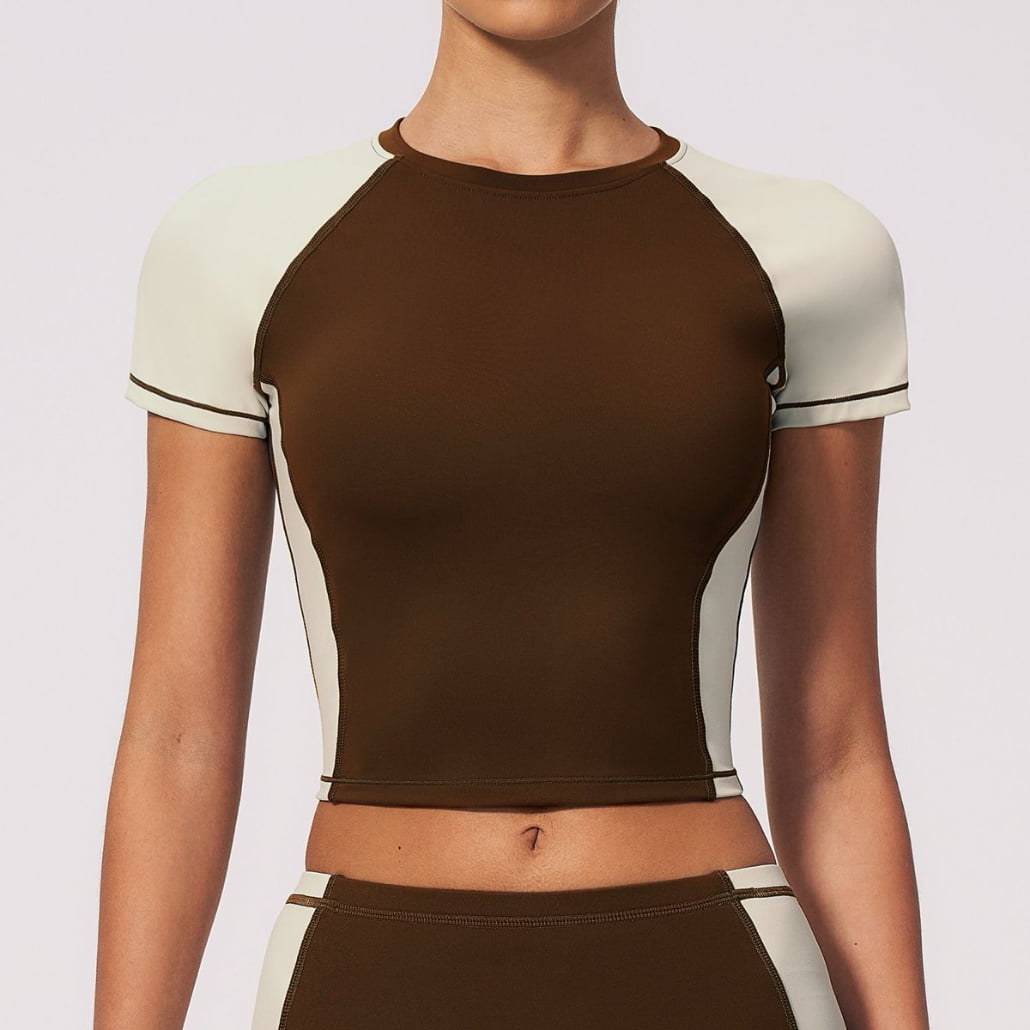
- Contrast stitching is a design choice: list thread colors in your tech pack.
How to specify seams in your tech pack
- Name the seam type for each area: flatlock, coverstitch, overlock or lockstitch.
- Mark seam lines on your flat sketches.
- Add thread colors, matched or contrast.
- Attach a reference garment if you have one.
Not sure which seam to use? Tell us how the garment will be worn and we will suggest options. See our tech pack checklist.
How to check seams on your sample
- Stretch each seam by hand: look for popped stitches or gaps that show the thread.
- Feel the inside: rub seams against your skin, especially the inner thigh, underarm and underband.
- Wear it: move through the intended activity.
- Wash it: check that seams stay flat and do not twist.
Once approved, the sample is the reference for bulk, and seam construction is checked during production and final inspection. Read our sampling guide and our AQL inspection guide.
Common seam mistakes
- Using a seam with little stretch on a high-stretch area.
- Placing bulky seams where the garment presses against the skin.
- Adding panels for looks without checking fit and cost.
- Leaving thread colors out of the tech pack.
- Approving a sample without stretching or washing it.
Explore how we sew custom leggings and sports bras, or see our Cut & Sew process.
Frequently asked questions
What is the best seam for activewear?
For most main seams, flatlock. It lies flat against the skin, stretches with the fabric and reduces chafing. Coverstitch is usually used for hems and edges, and overlock suits seams where a little more bulk is acceptable.
What is the difference between flatlock and overlock?
A flatlock seam joins two fabric edges so they lie flat, with stitching visible on both sides. An overlock seam wraps the fabric edges in thread and leaves a small ridge on the inside. Flatlock feels smoother; overlock is simpler and faster to sew.
What is a coverstitch used for?
Coverstitch creates parallel lines of stitching on the outside and a stretchy thread cover on the inside. It is mainly used for hems, neckline and armhole finishing and bindings on stretch garments.
Why are flatlock seams used on leggings?
Leggings stretch a lot and sit directly against the skin. Flatlock seams stay flat, stretch with the fabric and reduce rubbing on the inner thigh and other high-movement areas.
Do seamless leggings have seams?
The main body of seamless garments is knitted in one piece without side seams, but some sewing is still used for finishing. That is why they feel smooth and reduce chafing.
How do I check seam quality on a sample?
Stretch each seam by hand and look for popped stitches or gaps, feel the inside of the seam against the skin, wear the sample through its intended activity, and wash it before you approve.
Questions about construction?
Send your style or a reference garment. We suggest the right seams and finishes and reply with a quote within 24 hours. Only your work email is required.
- A tech packShare technical drawings, measurements and material requirements.
- A reference productShare a photo, product link or sample, with the details you want to develop.
- An early ideaDescribe the category, intended activity and wearing experience.